
Wart Removal in Pune & PCMC
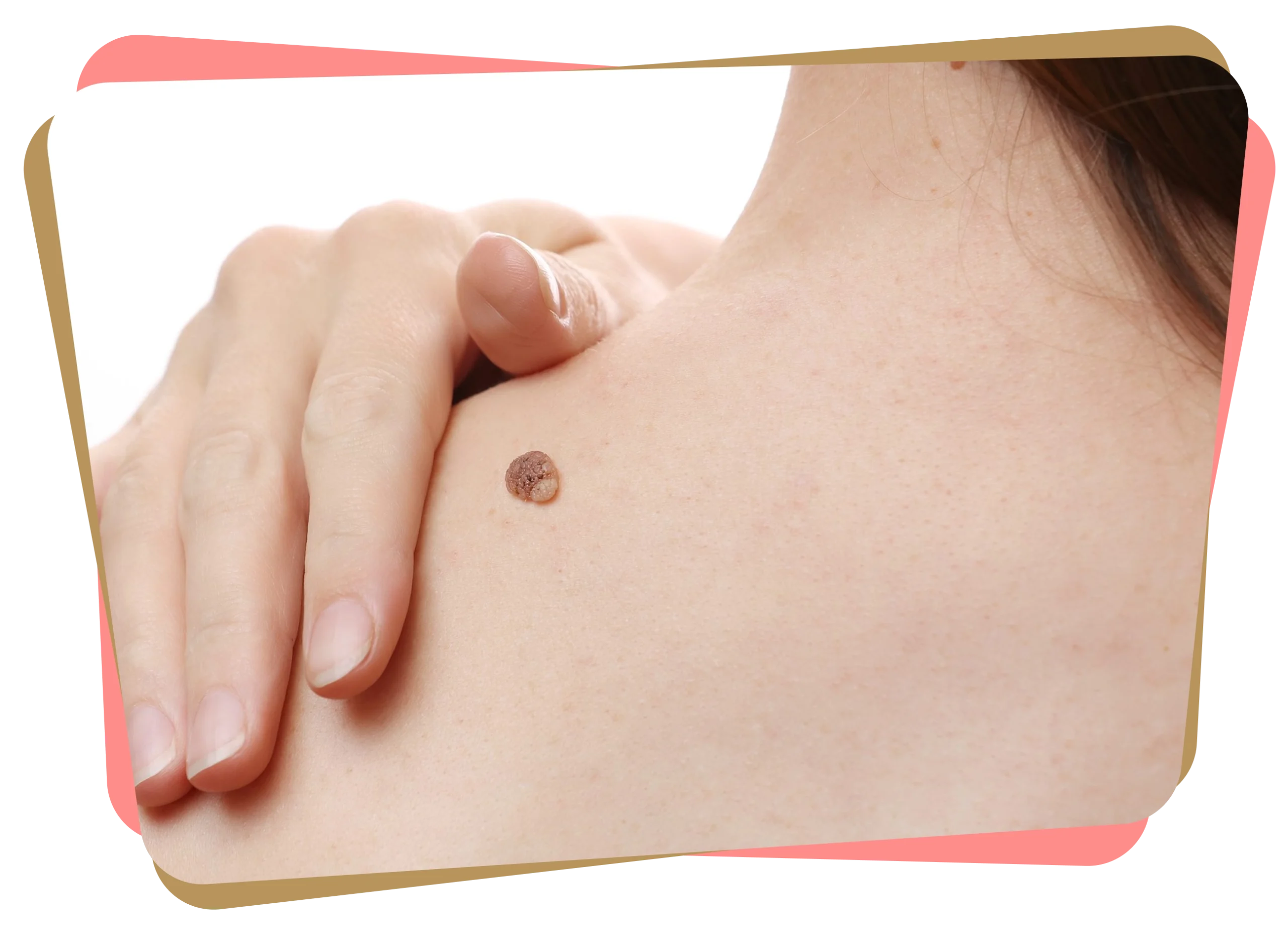
Table of Contents
A wart is a small, rough skin growth caused by a common skin virus.
Many people mistake it for a skin tag, a pimple, or a callus. Warts spread easily through touch, friction or shaving. They can appear on the face, neck, hands, feet, underarms or private areas.
Wart removal today is quick and safe. Treatments like freezing, laser, cautery or medications help remove the wart and reduce the chance of it coming back.
How to know if you have a wart
Patients often notice:
- A small bump that feels rough or grainy
- Tiny black dots inside (these are dried blood vessels)
- A patch of thick, hardened skin
- Pain when walking (foot warts)
- A growth that keeps spreading to nearby skin
- A bump that returns even after scratching or cutting it at home
Warts are not dangerous, but they can be stubborn and easily spread to other body parts or to family members.
Common types of warts
You do not need medical terms, but these basics help:
Common warts
Rough bumps on hands, elbows or knees.
Plantar warts
Warts on the feet. Painful when walking because they grow inward.
Flat warts
Smooth, small bumps. Often on face or legs. Spread easily.
Genital warts
Appear in private areas. Need gentle, private and specialised care.
All types can be treated safely with modern methods.
Why warts need treatment?
You may consider wart removal if:
- The wart is growing
- It spreads to nearby skin
- It becomes painful
- It bleeds or gets irritated by clothes or shaving
- It affects your confidence (face, neck, hands)
- Home remedies or creams are not helping
- You want to prevent it from spreading to family members
Early treatment usually helps avoid multiple warts later.
How doctors confirm it is a wart
Most warts are diagnosed by examination.
If the growth looks unusual or behaves differently, your doctor may do a small scraping or a magnified exam to rule out similar-looking skin conditions.
Wart removal treatments
Wart removal can be done in several gentle ways. Your doctor chooses the safest option based on the wart’s size, depth and location.
Freezing (Cryotherapy)
The wart is frozen so the tissue dries up and falls off over a few weeks.
Useful for hands, feet and common warts.
Laser wart removal
Laser energy targets the wart tissue with high precision.
Ideal for stubborn, thick or recurring warts.
Radiofrequency (RFA) Cautery (burning the wart)
The wart is removed using controlled heat. Quick and effective for single warts.
Chemical treatment
Medicines soften the wart layer by layer so it peels off gradually.
Used for sensitive areas or small warts.
Sometimes a combination of treatments is needed for stubborn or multiple warts.
Recovery after wart removal in Pune & PCMC
Recovery is simple:
- Mild soreness for 1–2 days
- Small scab forms and falls off naturally
- Avoid picking the area
- Keep skin dry and clean
- Avoid gym, swimming pools or shaving over the area until healed
Most people return to routine activities the same day.
When to see a doctor immediately
The wart grows very fast
It becomes very painful
It spreads to multiple areas
It bleeds or changes colour
You have diabetes and develop a foot wart
You are unsure if the lump is a wart or something else
Early check helps avoid unnecessary worry.
FAQs on Wart Removal in Pune & PCMC
Are warts dangerous?
Most warts are harmless. They do not turn into cancer.
But they can grow, spread to nearby skin, or become painful.
Treating them early helps prevent multiple warts later.
Do warts go away on their own?
Some small warts may fade over months, but most stay or slowly spread.
Waiting often allows the virus to move to new areas, making treatment harder later.
How do I know if a bump is a wart?
A wart usually feels rough, has tiny black dots inside, and grows slowly.
If the lump is smooth, rapidly growing, or very painful, get it checked to rule out other skin conditions.
Is wart removal painful?
There may be mild discomfort, but the area is numbed if needed.
Most people tolerate the procedure well, even on sensitive areas.
What is the best treatment for wart removal?
There is no single “best” method.
Doctors choose from freezing, laser, cautery or medicines depending on:
- Size of wart
- Location
- Depth
- Whether it has returned before
This gives the highest chance of success.
Can warts come back after removal?
Yes. Warts are caused by a skin virus, so recurrence is possible.
Proper treatment and care reduce the chances.
If a wart returns, a second session is common and normal.
How long does wart removal take?
Most procedures take 10–20 minutes.
You can go home immediately afterward.
Will there be a scar after wart removal?
Most treatments leave little to no scarring.
Deep or long-standing warts may leave a faint mark that fades with time.
Can I remove a wart at home by cutting or scraping it?
No.
Cutting a wart at home can cause infection, bleeding and rapid spread.
Safe removal needs proper technique and sterile tools.
Is wart removal safe during pregnancy?
Yes, but treatment choices may differ.
Doctors avoid certain chemicals and choose gentler methods.
Always inform your doctor if you are pregnant.
Are warts contagious?
Yes.
They spread through touch, shared towels, shaving or walking barefoot on wet surfaces.
Avoid scratching or picking to prevent spreading.
Do I need a test before wart removal?
Usually not.
Most warts are diagnosed by looking at them.
Tests are used only if the growth looks unusual or does not behave like a typical wart.
How soon can I go back to work after wart removal?
The same day for most people.
If the wart was on the foot or in a sensitive area, you may need a day of light activity.
What should I avoid after wart removal?
- Do not pick the scab
- Avoid swimming pools for a few days
- Avoid shaving over the treated area
- Keep the area clean and dry
- Follow dressing instructions if given
When should I see a doctor urgently?
Seek help if the treated area becomes:
- Very red
- Hot
- Filled with pus
- Bleeding a lot
- Very painful
- If you notice new warts appearing rapidly.