
Mole Removal in Pune & PCMC
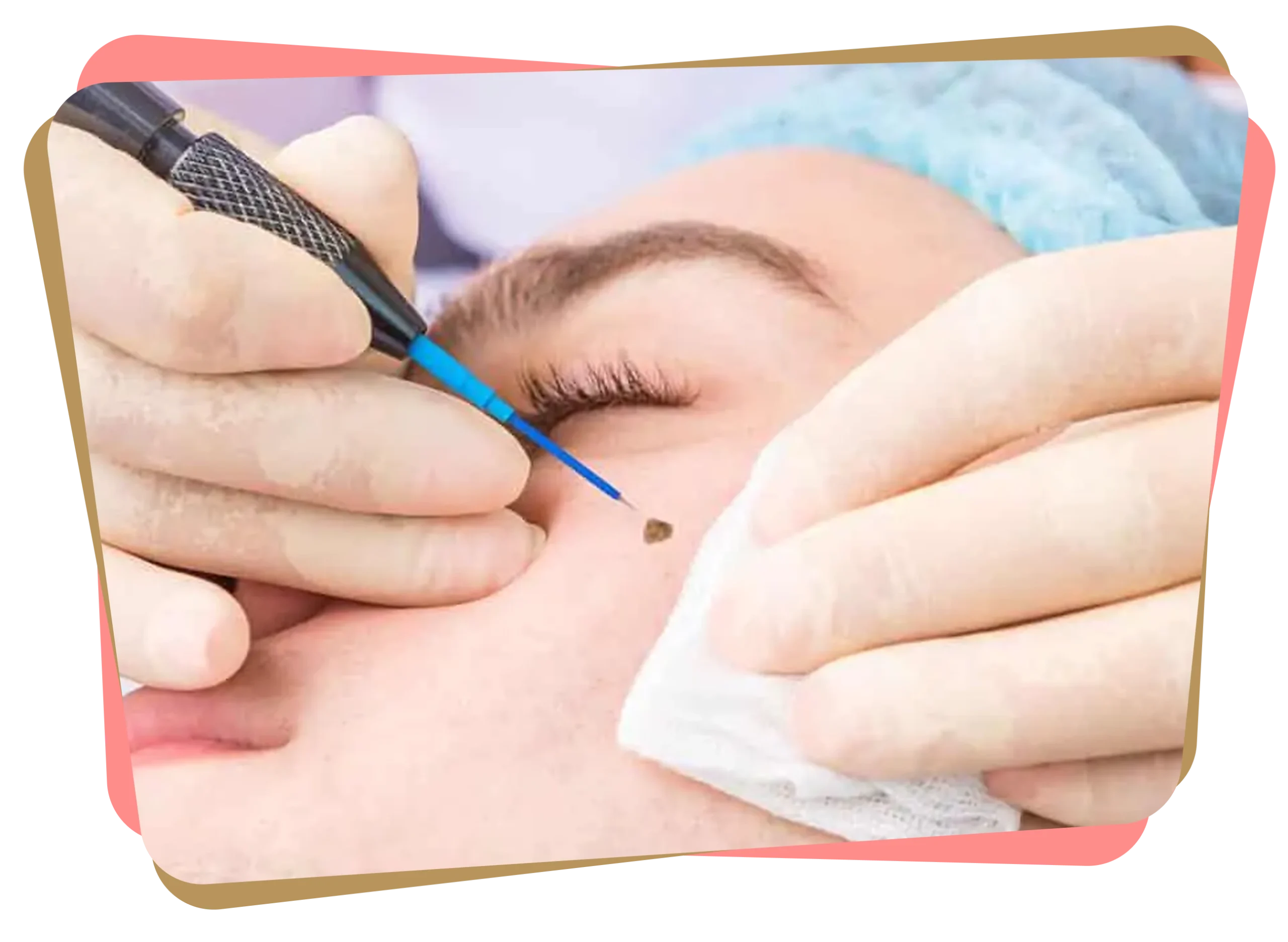
Table of Contents

A mole is a small spot or growth on the skin that can be flat or raised.
Most moles are harmless and stay the same throughout life. Some people choose removal for comfort, cosmetic reasons, or because the mole changes with time.
Modern mole removal is safe, quick and gentle. The method depends on the mole’s size, depth and location.
How to know if a mole needs medical attention
A mole usually stays stable. But you should get it checked if you notice:
- The mole is growing in size
- Change in colour or shape.
- New itching, pain or bleeding
- A mole that catches on clothes or a razor
- A mole in a sensitive or friction area
- A family history of skin cancers
- Cosmetic concern for face or neck moles
A simple examination helps confirm if the mole is harmless or needs removal.
Common types of moles (simple explanation)
You do not need medical terms, but these basics help:
Flat mole
Even with the skin. Usually harmless.
Raised mole
Slight bump on the skin. Can catch on clothing or shaving.
Skin-tag–like mole
Small hanging piece of skin. Common on the neck and underarms.
Atypical mole
Looks different in colour or shape. Needs closer attention.
Most moles can be removed easily once examined.
Why do people choose mole removal?
You may consider removal if:
- The mole spoils your confidence in photos or daily life
- It rubs against clothing.
- It bleeds or gets irritated while shaving.
- You feel unsure about a change in its appearance.
- You want to rule out any risk.
- You prefer a cleaner skin look.
Mole removal provides peace of mind and cosmetic improvement.
How doctors confirm the mole is harmless
Most moles are diagnosed by examination.
If the mole looks unusual, the doctor may suggest:
Dermatoscopy
A magnified skin check to study the mole safely.
Biopsy (only when needed)
A small sample to confirm the diagnosis.
These steps help decide the safest removal method.
Mole removal treatments in Pune & PCMC at Chrysalis
There are different ways to remove a mole. Your doctor chooses based on size, depth and location.
1. Laser Mole Removal
A gentle laser beam removes the mole layer by layer.
Useful for small, flat or superficial moles.
Minimal downtime and often no stitches.
2. Excision Mole Removal
A small cut is made to remove the mole and its root.
Used for deeper or larger moles.
Stitches may be needed.
All methods are safe when done in a clean, professional setup.
3. Radiofrequency Ablation (RFA) Mole Removal
Radiofrequency Ablation uses controlled radio waves to precisely remove the mole.
- Ideal for small to medium-sized raised moles and skin-tag–like moles
- High precision with minimal damage to surrounding skin
- Very little bleeding due to instant cauterization
- Usually no stitches required
- Faster healing and low risk of scarring
The procedure is done under local anaesthesia. It is quick, safe, and commonly used in cosmetic areas such as the face, neck, and underarms.
Dr. Salil recommends RFA when it yields a cleaner result than laser or excision, depending on the mole’s depth and location.
Does mole removal hurt?
The area is numbed beforehand.
You may feel slight pressure, not pain.
Mild soreness afterwards is normal and settles quickly.
What to expect after mole removal surgery in Pune and PCMC at Chrysalis
- Small scabs form and fall off naturally
- Mild redness for a few days
- Keep the area clean and dry.
- Use the prescribed ointment.
- Avoid sun exposure on the treated area.
- Stitches, if any, are removed in 7–10 days.
Most people return to routine activities the same day.
Will there be a scar?
Scarring depends on mole size, depth and skin type.
Small, superficial moles leave minimal or almost invisible marks.
Deeper moles may leave a faint line that fades over time.
Your doctor will guide the method that gives the cleanest result.
Risks of Mole Removal Surgery
Mole removal is safe. Possible mild risks include:
- Slight bleeding
- Infection (rare)
- Small scar
- Temporary redness
- Rare chance of regrowth if the mole root was deep
Following aftercare reduces most issues.
FAQs on Mole Removal in Pune & PCMC
Is mole removal safe?
Yes. When done by a trained doctor using sterile techniques, mole removal is very safe.
How do I know if my mole is dangerous?
You should get it checked if it grows, changes colour, becomes uneven, bleeds or starts itching. These signs do not always mean cancer, but they need evaluation.
Does mole removal hurt?
No. Local anaesthesia is used, so you only feel slight pressure. Mild soreness afterwards is normal.
Which method is best for mole removal?
There is no one best method.
Laser works well for small or superficial moles.
Shave removal is suitable for raised moles.
Excision is best for deep moles.
Your doctor chooses the safest option after examining your skin.
Will the mole come back after removal?
Most removed moles do not return.
If the mole has a deep root and part of it remains, it may regrow, but this is uncommon.
How long does mole removal take?
Most procedures take 10–20 minutes.
You can go home immediately.
Will I have a scar?
Small moles often leave almost no mark.
Deeper moles may leave a faint line that fades with time.
Proper aftercare helps reduce scarring.
Can mole removal lighten the surrounding skin?
Temporary lightening or redness may occur, but it usually resolves as the skin heals.
Can I remove a mole at home?
No.
Cutting or burning a mole at home can cause infection, bleeding and scarring.
It can also delay diagnosis if the mole is unusual.
Do I need a test before mole removal?
Not always.
If the mole looks typical, removal is straightforward.
If the mole looks unusual, a biopsy may be advised.
How soon can I return to work after mole removal?
The same day or the next day for most people.
Only avoid heavy exercise if stitches are placed.
When should I see a doctor after removal?
Contact your doctor if you notice:
- Increasing redness
- Pus
- Fever
- Bleeding
- Severe pain
Early review helps avoid complications.
Can children get mole removal?
Yes. It is safe but is planned based on size, location and the child’s comfort.