
Breast Reconstruction Surgery in Pune & PCMC | Dhanwantari’s Chrysalis

Table of Contents
Rebuilding more than a breast. Restoring a sense of self.
If you are facing a mastectomy, have already had one, or are living with a breast injury or deformity, you may feel many things at once: relief, grief, hope, fear. Choosing reconstruction is deeply personal. It is also a medical decision that affects your daily well-being.
At Dhanwantari’s Chrysalis, Dr. Salil Patil, a board-certified plastic surgeon, specialises in breast reconstruction that respects your body, your choices, and your recovery. We combine modern surgical options with gentle care, clear information, and step-by-step support.
What is breast reconstruction?
Breast reconstruction is surgery to rebuild the shape and look of a breast after mastectomy (surgical removal of the breast), lumpectomy(surgical removal of part of the breast gland), trauma, or congenital differences. The goal is to recreate a breast that fits your body and helps you feel whole again. Reconstruction can be done in one operation or in stages. It can recreate one breast to match the other, or both breasts for symmetry.
There is no single “right” way. The choice depends on your cancer treatment, body, health, lifestyle, and what you want to feel comfortable with.
When can breast reconstruction be done?
You have two main timing options.
Immediate reconstruction
Done at the same time as the mastectomy. You wake up with a reconstructed breast. This can reduce the number of surgeries overall and help some women emotionally because they avoid a period without a breast.
Delayed reconstruction
Done weeks, months, or years after mastectomy. This may be recommended if you need radiation therapy first, if you want time to recover from cancer treatment, or if you need a staged approach for the best cosmetic outcome.
Dr. Salil will discuss timing based on your oncology plan and what will yield the best long-term results for you.
Primary Breast Reconstruction in Pune & PCMC Methods We Follow At Chrysalis
Below are the standard reconstruction options we offer at Chrysalis. Each has pros and trade-offs. We will tailor the choice to your body and priorities.
1. Implant-based reconstruction (silicone or saline implants)
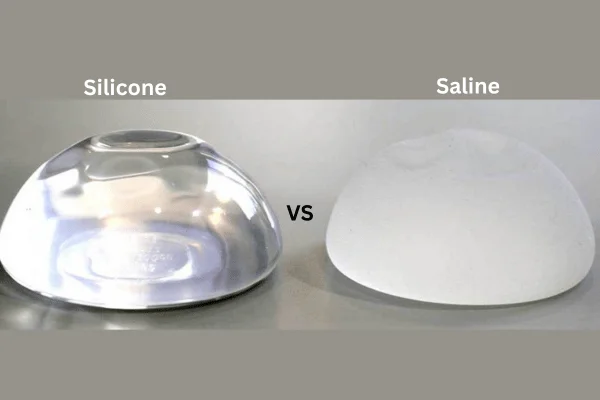
This procedure utilises a prosthetic implant to create the desired breast shape.
How it’s done
- Often, a tissue expander is placed first under the chest muscle or skin. This is gradually filled with saline during clinic visits to stretch the skin.
- Once the skin is ready, the expander is replaced with a permanent implant (silicone gel is most commonly used).
- Implants can also be placed immediately if there is enough skin and no planned radiation.
Who it suits
- Women who prefer shorter surgery and faster initial recovery.
- Those with limited donor tissue or who prefer not to have additional scars on the belly or back.
Advantages
- Shorter operation time than major flap surgery.
- No new incision on another part of the body.
Considerations
- Implants can be affected by radiation.
- May require future replacements or minor revisions over time.
At Chrysalis, we use silicone implants for better results and safety.
2. Autologous flap reconstruction (using your own tissue)
This uses your own skin, fat, and sometimes muscle from other parts of the body to create a breast. Common flap types include:
DIEP flap (deep inferior epigastric perforator)
- Tissue taken from the lower abdomen. Muscle is preserved, and only skin and fat are used, with microsurgery, to reconnect blood vessels.
- A natural feel and long-lasting shape without requiring muscle movement.
TRAM flap (transverse rectus abdominis myocutaneous)
- Uses muscle, fat and skin from the lower abdomen. Reliable for many women, but it moves some abdominal muscles.
Latissimus dorsi flap
- Tissue and muscle from the upper back rotated to the chest. Often combined with a small implant when extra volume is needed.
How it’s done
- These are longer operations that require microsurgical skills for vessel connection, such as DIEP procedures.
- There are scars at the donor site (abdomen, back), but many women value the natural feel and durability.
Who it suits
- Women seeking a natural-feeling breast that changes with body weight and ages naturally.
- Those who have undergone radiation therapy often benefit from autologous tissue, which can yield better results.
Advantages
- Long-lasting, natural texture.
- Often, there are fewer long-term implant-related problems.
Considerations
- Longer surgery and recovery.
- Donor site scars and possible weakness, though modern techniques focus on preserving muscle and function.
3. Hybrid or combined approaches
Sometimes we combine autologous tissue with a small implant to refine shape and symmetry. This allows for a tailored volume while maintaining a natural feel.
4. Nipple and areola reconstruction
After breast mound reconstruction, nipple reconstruction is a minor procedure usually done months later. Tattooing techniques can recreate the areola colour. Some women prefer nipple-sparing mastectomy when oncologically safe; others choose not to reconstruct the nipple. All choices are valid.
How to choose the correct option
Choosing reconstruction is a conversation, not a checklist. Key factors include:
- Your cancer treatment plan and whether you will have radiation
- Your body shape and the availability of donor tissue
- Recovery time you can commit to
- Desire for a natural-feeling breast versus shorter recovery
- Personal priorities and how you want daily life to feel after surgery
Dr. Salil will walk you through these factors, show photographic examples, and explain the likely outcomes so that you can make an informed decision.
What to expect in the hospital and during recovery after breast reconstruction surgery in Pune
Hospital stay
- Implant procedures often require 1 to 3 days.
- Flap procedures typically need 4 to 7 days for close monitoring of blood flow to the transplanted tissue.
Immediate aftercare
- Pain is managed with medication.
- Drains may be placed to remove fluid and are usually removed in 1 to 2 weeks.
- You will be taught safe movement, wound care, and how to sleep comfortably.
Longer recovery
- Light activity indoors is encouraged early to prevent blood clots.
- Avoid heavy lifting and strenuous exercise for 6 to 8 weeks, longer after major flap surgery.
- You will have staged follow-ups for wound checks, scar care, and to plan nipple reconstruction if desired.
Emotionally, many women need time to adjust to their new bodies. Our team provides counselling, peer support contacts, and a gentle timetable so you never feel rushed.
Risks and safety (what you should know)
Reconstruction carries the typical surgical risks and some specific considerations:
Common issues
- Swelling, bruising, and temporary numbness
- Minor wound healing problems at the breast or donor site
- Seroma or fluid collection that may need drainage
Less common but important risks
- Partial or total flap loss in autologous reconstructions (rare with experienced microsurgeons)
- Implant infection or extrusion, especially if radiation is involved
- Scarring and asymmetry requiring revision surgery
We minimise risks through careful planning, sterile techniques, and close postoperative monitoring. Dr. Salil’s experience in reconstructive microsurgery reduces complication rates and improves outcomes.
How reconstruction affects cancer care
Reconstruction does not compromise cancer treatment. The surgical oncologist and reconstructive team work together to ensure oncologic safety. The timing and technique are carefully chosen to ensure that your cancer therapy proceeds without delay.
Cost and insurance
The cost of breast reconstruction in Pune varies depending on the chosen method, the length of surgery, hospital stay, and whether nipple reconstruction or symmetry surgery on the other side is included.
In India, many patients find that reconstruction costs are lower than in Western countries, yet they still receive the same high standards of surgical care. Insurance policies differ. For cancer-related mastectomy, many insurers cover reconstruction in part or in whole. Our team helps with hospital estimates and insurance documentation.
For patients coming from abroad
Pune and PCMC offer world-class reconstructive care with English-speaking staff and comfortable recovery options. If you are travelling from the UK, Europe, the USA, or the Middle East, we can help with:
- Virtual consultations before travel
- Clear treatment and recovery timelines
- Travel and stay arrangements, as well as post-operative follow-up. plans
- Coordination with your local oncology team for continuity of care
Many international patients choose Pune for skill, affordability, and the human approach we offer at Chrysalis.
Emotional support and peer resources
Reconstruction is medical and emotional work. You may feel relief, grief, or both. We provide:
- One-on-one counselling referrals
- Support group connections, both local and online
- Practical help with clothing, prostheses, and swimwear during recovery
You do not have to decide quickly. Take the time you need. We will be here when you are ready.
Frequently Asked Questions
What is breast reconstruction after mastectomy?
Breast reconstruction rebuilds the breast shape after mastectomy using implants or your own tissue. It can be immediate or delayed and aims to restore appearance and symmetry while working with your cancer treatment plan.
Can I have reconstruction if I need radiation therapy?
Yes, but sequencing matters. Radiation can affect implant results, so flap reconstruction or delayed implant exchange may be recommended to optimise outcomes. Your oncology and reconstructive surgeons will plan timing for the best outcome.
How long does recovery take after breast reconstruction?
Recovery varies by technique. Implant reconstruction often allows lighter activity in 2–4 weeks. Flap reconstruction typically requires 6–8 weeks for most activities, with ongoing healing that can last for months. Your surgeon gives a personalised plan.
Will the reconstructed breast look natural?
Modern techniques, exceptionally, autologous flaps like DIEP, provide a natural feel and appearance. Implant-based results can also be very natural when carefully selected and placed.
Can I have nipple reconstruction?
Yes. Nipple reconstruction or 3D areola tattooing is commonly offered months after primary reconstruction. Some women opt for nipple-sparing mastectomy when safe. Does insurance cover breast reconstruction in India?
Many health insurers cover reconstruction after mastectomy. Coverage varies, so we assist with estimates and documentation to ensure a seamless process.
Why choose Dr. Salil Patil and Dhanwantari’s Chrysalis for breast reconstruction surgery in Pune?
Reconstructive expertise
Dr. Salil has focused training in both aesthetic and reconstructive breast surgery, including microsurgical flap techniques.
Patient-led planning
We prioritise your values and lifestyle in every decision.
Multidisciplinary coordination
We work closely with oncologists, radiotherapists, physiotherapists, and counsellors.
Modern facility
Accredited operating rooms, microsurgical equipment, and attentive nursing.
Holistic aftercare
Scar management, physical rehabilitation, and emotional support.
We do not rush decisions. We explain options plainly, show real before-and-after examples, and plan every step together.
Taking the first step
If you are considering breast reconstruction in Pune or PCMC, start with a private, no-pressure consultation. Bring your medical records, ask about timing with your cancer care, and share what outcome feels right for you.
Call us to arrange a confidential consultation with Dr.Salil Patil. We will listen first, then explain the surgical options, the likely recovery time, costs, and support available. When you are ready, we will walk with you through every step.