
Lipoma Removal in Pune & PCMC
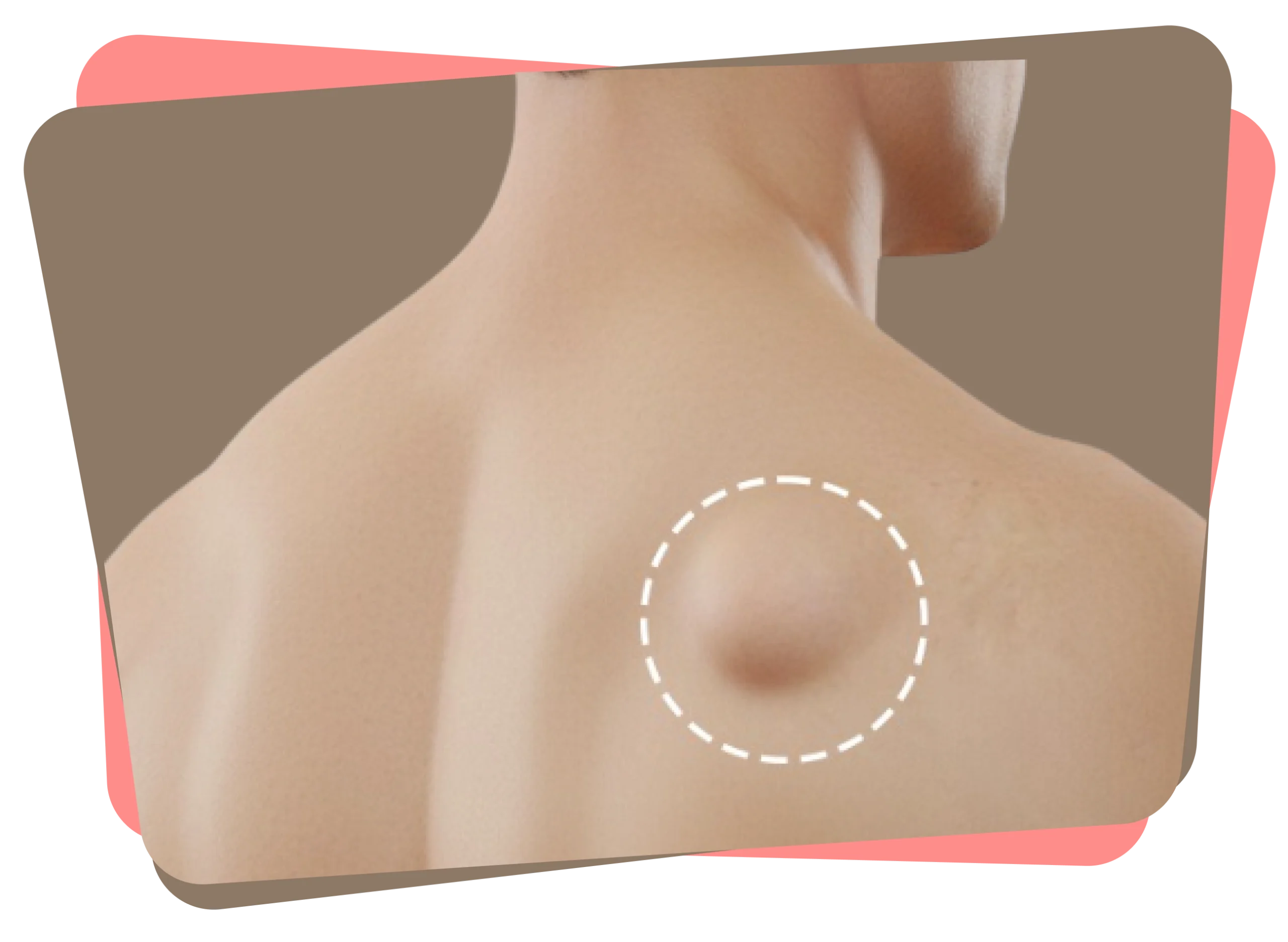
Table of Contents

A lipoma is a soft lump of fat that grows slowly under the skin. It is not cancer. It does not spread to other parts of the body. Many people ignore it for years, but choose removal when it becomes noticeable, painful, or keeps increasing in size.
Lipoma removal is a simple day-care procedure. The lump is taken out through a small opening, and you go home the same day.
How to know if your lump is a lipoma
A lipoma usually feels like:
- A soft, rubbery lump under the skin
- Moves easily when you press it
- Grows slowly over months or years
- Usually not painful unless pressing on nerves or muscles
Lipomas are not caused by weight gain, and losing weight does not make them disappear.
Types of lipomas (explained in easy language)
Most lipomas are simple fat lumps, but some behave differently:
Superficial lipoma
The common type. Sits just under the skin.
Deep lipoma
Sits under the muscle or between muscles. Feels firmer. May need imaging before removal.
Angiolipoma
Has more blood vessels. It can be painful.
Multiple lipomas
Some people get many lumps across their arms and trunk. Often linked to family history.
You do not need to remember these names. They only help your doctor plan the safest removal method.
When lipoma removal is a good idea
You may choose removal if:
- The lump keeps getting bigger
- It hurts when touched or while moving.
- It affects your daily activities.
- It bothers you while sleeping or wearing clothes.
- It is in a visible area that affects your confidence.
- You want peace of mind.
How doctors confirm it is a lipoma
A simple physical exam is usually enough.
If the lump is large, deep, unusually firm, or fast-growing, your doctor may advise:
Ultrasound
Shows if the lump is made of fat.
MRI or CT scan (only for rare cases)
Helps understand deeper or complex lumps.
These tests help rule out rare conditions.
When a lump may not be a lipoma
You should get checked soon if the lump:
- Grows very fast
- Feels hard instead of soft
- It is fixed to deeper tissues.
- Causes numbness or muscle weakness
- Turns red or warm
- Starts after a recent infection
These signs do not necessarily indicate cancer, but they do require proper evaluation.
How lipoma surgery is done (easy explanation)
Lipoma surgery is simple:
- The skin is numbed with local anaesthesia.
- A small cut is made over the lump.
- The lipoma is gently removed in one piece.
- The skin is closed with stitches.
Time taken: 20–30 minutes for most cases.
You go home shortly after.
Large or deep lipomas may need a slightly longer procedure.
Recovery After Lipoma Surgery in Pune & PCMC
Most people return to routine work in 1–2 days.
You may notice:
- Mild swelling
- Light bruising
- Soreness for a few days
Stitches are removed after 7–10 days, depending on healing.
Avoid heavy exercise for a week.
What happens if you leave a lipoma untreated
Most lipomas stay harmless. But some may:
Become more noticeable as they grow
Causes discomfort while sleeping or sitting
Press on nearby nerves or muscles
Causes irritation from clothing
Need a bigger cut later if removed at a larger size.
Early removal often results in a smaller scar and an easier recovery.
Can a lipoma come back?
Most lipomas do not return after complete removal.
Rarely, a new lipoma may form nearby, especially in people who naturally develop multiple lumps.
Risks Of Lipoma Surgery
Although lipoma removal is safe, possible risks include:
- Mild bleeding
- Infection (rare)
- A small scar
- Fluid collection under the skin
- Temporary numbness in the area
These are usually minor and settle with basic care.
Who gets lipomas more often
Lipomas are more common in:
- People with a family history
- People with multiple lipomas (genetic tendency)
Personalised approach
Not every lipoma needs removal.
The decision depends on the size, location, symptoms, growth pattern, and your comfort.
Our goal is simple.
Help you reduce worry, ease discomfort, and return to daily life confidently.